
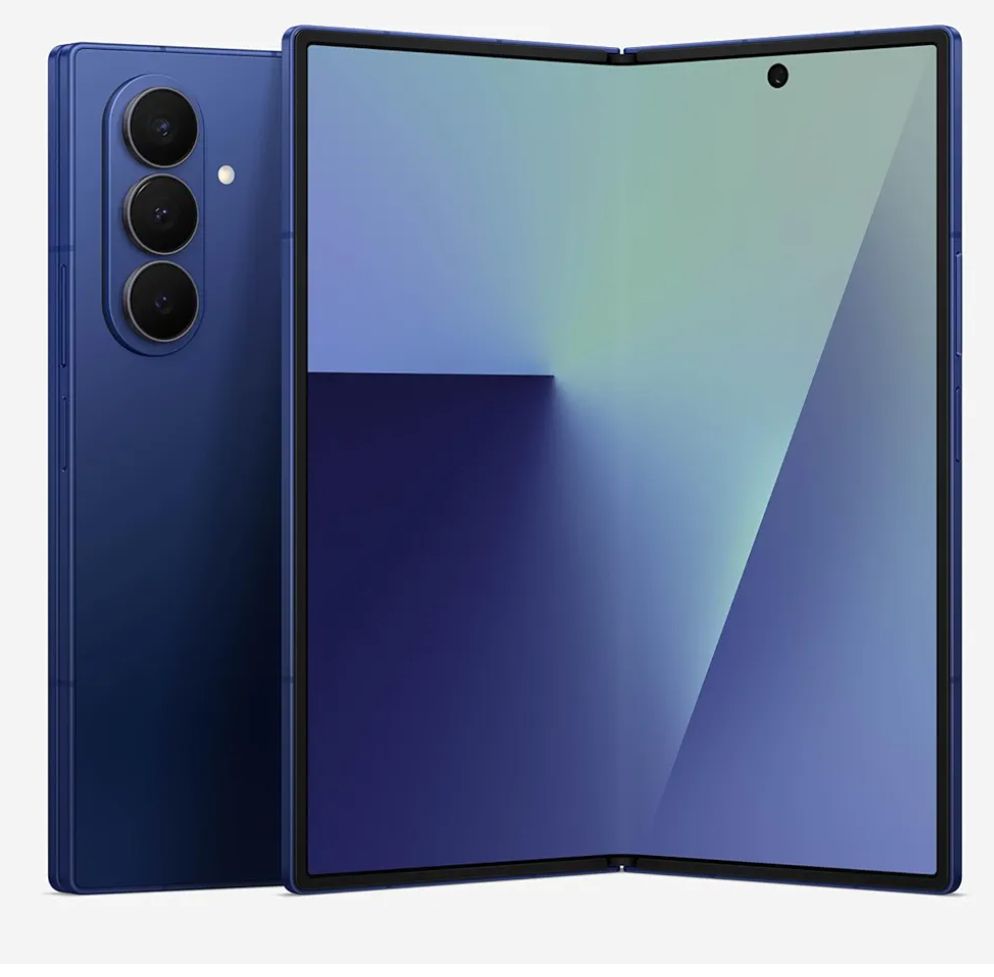
Introduction to Foldable Smartphones
The dynamic world of mobile technology is continuously evolving, and one of the most intriguing innovations to emerge in recent years is the foldable smartphone. Aimed at future-ready mobile users, foldable smartphones offer a unique combination of functionality and cutting-edge design. Designed to integrate tablet-like capabilities into a pocket-sized device, foldable smartphones are redefining how users interact with technology. This review delves into the various aspects of foldable smartphones available in the US and UK markets, evaluating their specifications, benefits, drawbacks, and overall value proposition.
Design and Build Quality
When it comes to design, foldable smartphones stand apart by offering expansive displays that fold elegantly into compact forms. The most popular models on the market, such as the Samsung Galaxy Z Fold, Huawei Mate X, and Motorola Razr, boast sleek, sophisticated designs. The materials used in these devices often include high-strength stainless steel and aluminum, coupled with Gorilla Glass for durability and prolonged use.
- Samsung Galaxy Z Fold: Known for its impressive build quality and luxury finishes, it’s engineered to withstand the rigors of daily use with a hinge mechanism that surpasses most in the industry.
- Huawei Mate X: This model emphasizes both beauty and strength, offering a full-screen experience even in its folded form, made possible by its innovative Falcon Wing Design.
- Motorola Razr: With a nostalgic nod to the iconic flip phones of the past, the modern Razr brings vintage flair into the future with updated materials and improved technology.
Display and Screen Technology
Foldable smartphones distinguish themselves predominantly through their displays. These devices utilize flexible OLED technology, which allows the screen to bend without compromising image quality. Users typically enjoy rich colors and deep contrasts, enhancing video streaming, gaming, and general browsing experiences.
- Flexible OLED panels: Enable a seamless folding display with high resolution and vibrant colors, essential for crisp detailing in various visual content.
- Durability: Despite reservations about foldable technology’s robustness, contemporary models have shown significant improvements in screen resilience, with many being tested for numerous fold cycles without damage.
Performance and Software
Foldable smartphones are equipped with high-performance hardware designed to parallel the capabilities of flagship devices. High-end processors, ample RAM, and extensive storage are standard in these devices, facilitating smooth multitasking and complex operations.
- Samsung’s One UI: Specifically optimized for foldable devices, it offers multi-window capabilities and a seamless transition between folded and unfolded usage.
- Huawei’s EMUI: Delivers a custom experience with its unique gestures and software optimizations aimed at maximizing the foldable screen’s utility.
- Motorola’s My UX: Provides a clean and simple user interface with intuitive functionalities tailored for its distinctive form factor.
Camera and Photography
The camera systems on foldable smartphones are designed to provide versatility. Using advanced optics and sensor technology, these devices compete with traditional high-end smartphones in capturing quality images and videos.
- Multi-lens setups: Common among foldable models, enabling wide-angle captures, telephoto shots, and macro photos to cater to diverse photography needs.
- Elevated selfie capabilities: The rear cameras double as front-facing sensors when the device is folded, ensuring superior quality for selfies and video calls.
Battery Life and Charging
Foldable smartphones, with their larger displays, consume significant power. However, manufacturers have addressed this by incorporating ample battery capacity and supporting fast charging technology to keep users powered throughout the day.
- Battery optimization: Intelligent software that manages battery health and power consumption efficiently, ensuring longevity even with the demands of larger screens.
- Fast charging support: Many foldable devices offer rapid charging solutions, minimizing downtime and maximizing usability.
Connectivity and Network Features
Most foldable smartphones are equipped with the latest connectivity options, ensuring they are future-proof and capable of handling the demands of modern networks.
- 5G Connectivity: Providing ultra-fast data speeds, critical for streaming, gaming, and real-time communications.
- Wi-Fi 6: Enhanced wireless connectivity that offers better range and reliability in various environmental conditions.
Price and Value
The price of foldable smartphones tends to be on the higher end due to their innovative technology and high-grade materials. However, for users seeking a blend of tablet and smartphone functionality, they present a compelling proposition.
- Investment in innovation: Buyers pay a premium for cutting-edge features and the novelty of foldable technology.
- Value proposition: While initial costs may be steep, the dual utility of having a phone and a tablet in one device can be justified for tech enthusiasts and power users.
Conclusion
Foldable smartphones are emblematic of the technological progress shaping modern mobile devices. For users who prioritize innovation, multi-functionality, and a touch of futuristic flair, these devices offer an intriguing alternative to traditional smartphones. While the initial investment might be significant, the capabilities and convenience they provide can justify this expenditure, especially as foldable technology becomes more mainstream.
In the US and UK markets, foldable smartphones have established a niche yet growing demand, with manufacturers continuously pushing boundaries to enhance durability, functionality, and user experience. As technology advances, it will be fascinating to observe how foldable devices further integrate into everyday life, reflecting and augmenting our diverse needs in an ever-connected world.