
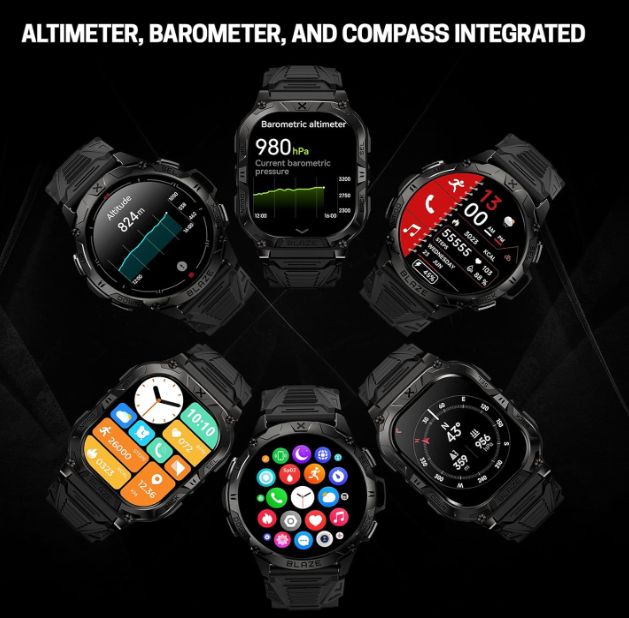
Product Review: Smart Watches for Fitness and Health Tracking
In recent years, smart watches have evolved from being simple timepieces to powerful companions in our fitness and health journeys. This evolution has made them incredibly popular among fitness enthusiasts and health-conscious individuals in both the US and UK markets. As wearable technology continues to advance, the ability of smart watches to monitor a range of health metrics, deliver notifications, and assist in achieving personal goals, positions them as essential tools for today’s tech-savvy consumers.
Overview of Smart Watches for Fitness and Health Tracking
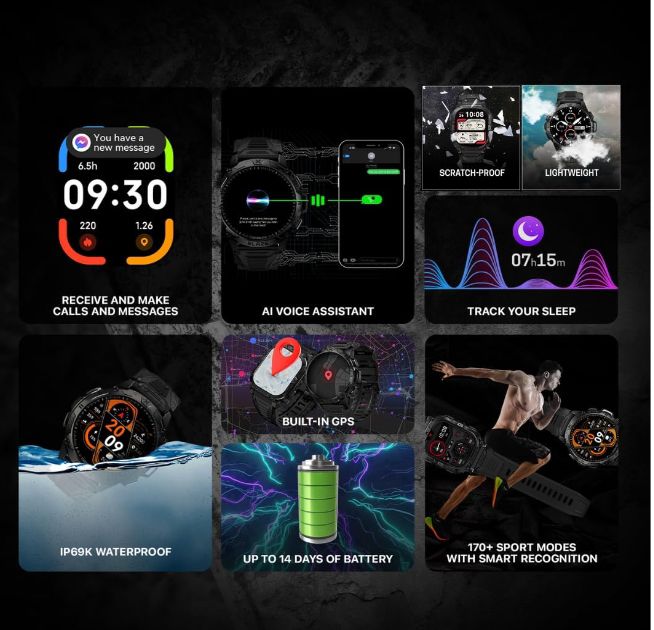
Smart watches designed for fitness and health tracking offer a plethora of features intended to help users maintain and improve their health. From monitoring heart rates and counting steps to tracking sleep patterns and measuring blood oxygen levels, these devices cater to a variety of needs and preferences. Whether you are a seasoned athlete or just beginning to engage in a healthier lifestyle, there’s likely a smart watch designed to aid in achieving those goals. Below is an in-depth look at some of the key features, benefits, and potential downsides of these remarkable gadgets.
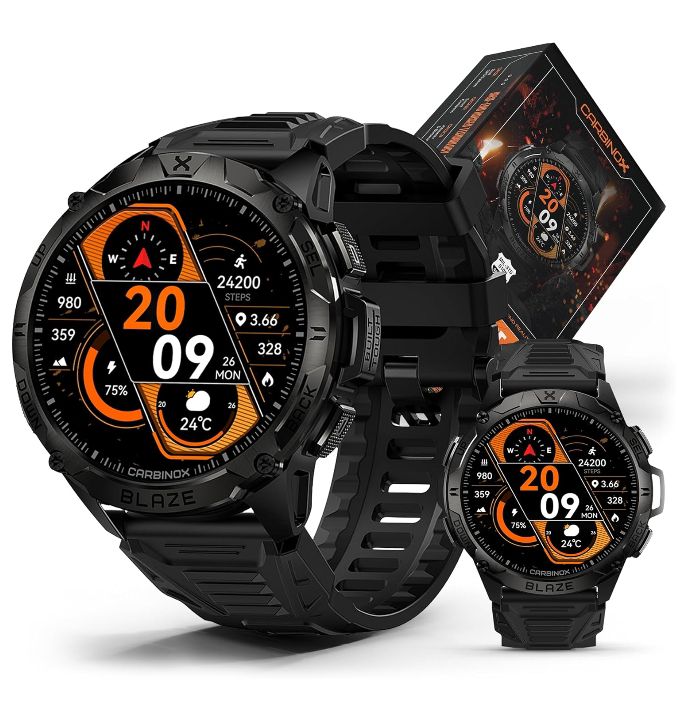
Key Features
1. Heart Rate Monitoring
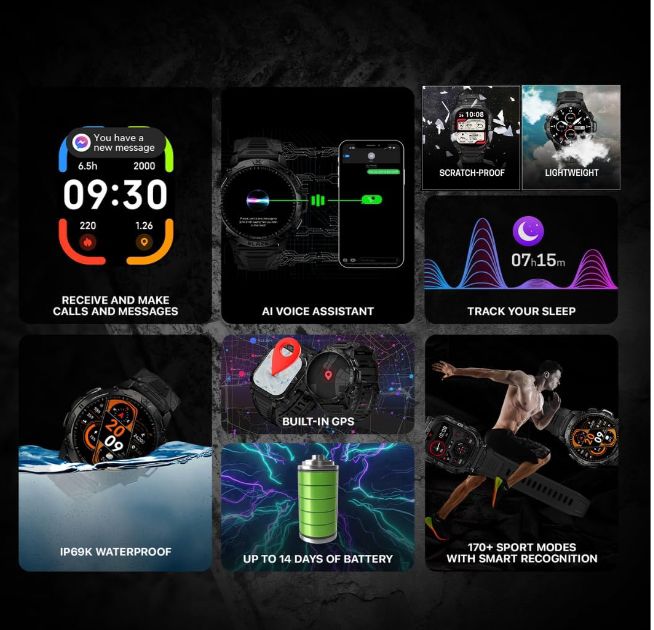
One of the primary features of fitness-oriented smart watches is heart rate monitoring. Most models offer continuous heart rate tracking, allowing users to keep an eye on their cardiovascular health. Real-time updates can help users understand their resting heart rate and enable them to set attainable fitness goals. Some devices also provide alerts for abnormal heart rate readings, encouraging further health checks if necessary.

2. Activity Tracking
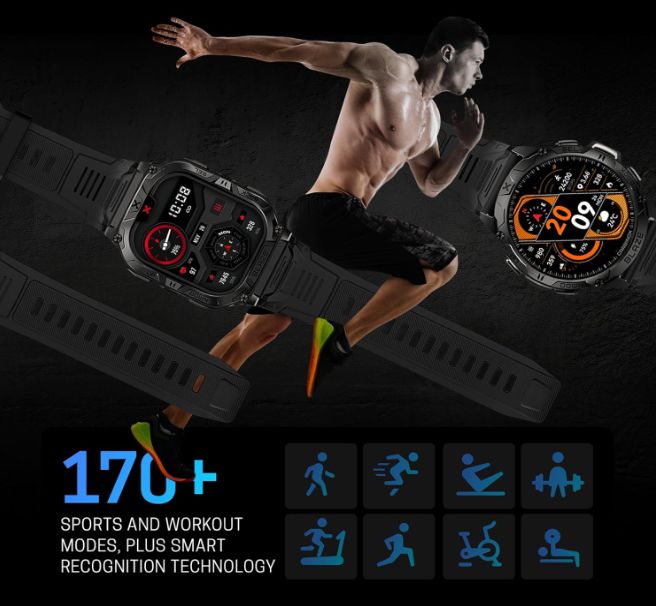
The ability to track daily activity levels is another fundamental feature. Smart watches count steps, calories burned, and manage multiple types of exercises, ensuring that users can track and improve their overall physical activity. Certain models come equipped with GPS functionality to accurately map outdoor activities such as running or cycling.
3. Sleep Monitoring
Understanding sleep patterns is crucial for overall health and wellbeing. Many smart watches offer sleep tracking features, helping users understand the quantity and quality of their sleep. By monitoring sleep stages and disruptions, users can make informed decisions to improve their sleep hygiene and, consequently, their health.
4. Blood Oxygen and ECG
More advanced smart watches come equipped with SpO2 sensors to measure blood oxygen levels and ECG functionality to monitor heart rhythms. These features are particularly beneficial for individuals with specific health conditions, allowing them to track critical metrics closely and share data with their healthcare providers if needed.
5. App Integration and Connectivity
Modern smart watches boast seamless integration with health and fitness apps, such as Apple Health, Google Fit, or Fitbit. Compatibility with smartphones via Bluetooth allows users to receive notifications, control music, and even perform contactless payments on some models, adding a layer of convenience beyond fitness tracking.

The Pros of Owning a Smart Watch for Fitness and Health Tracking
- Comprehensive Health Monitoring: With features like heart rate monitoring, sleep analysis, and blood oxygen measurement, smart watches offer a comprehensive health monitoring solution.
- Motivation and Goal Setting: The ability to set personalized exercise goals and receive feedback can be highly motivational, helping individuals stay committed to their fitness journey.
- Convenience: Smart watches integrate with smartphones to provide notifications and music control, offering a hands-free experience highly valued in fast-paced lifestyles.
- Wearability and Style: Many models are designed with style in mind, allowing users to wear devices comfortably throughout the day without compromising on fashion.
The Cons of Owning a Smart Watch for Fitness and Health Tracking
- Battery Life: Many health-focused smart watches require frequent charging, which can be inconvenient for users who lead active lifestyles.
- Accuracy Concerns: Although continuously improving, some sensors still face criticism for less-than-perfect accuracy in certain metrics, such as calorie tracking or sleep stages.
- Price Point: High-end models can be expensive, potentially placing them out of reach for consumers on a budget. Mid-range options are available but may lack certain advanced features.
- Data Privacy: Continuous monitoring involves sharing personal data with device manufacturers, possibly raising concerns about privacy and data security for some users.
Specific Models in the Market
With many options available, it’s important to highlight a few notable models that have made an impact in the smart watch market:
1. Apple Watch Series
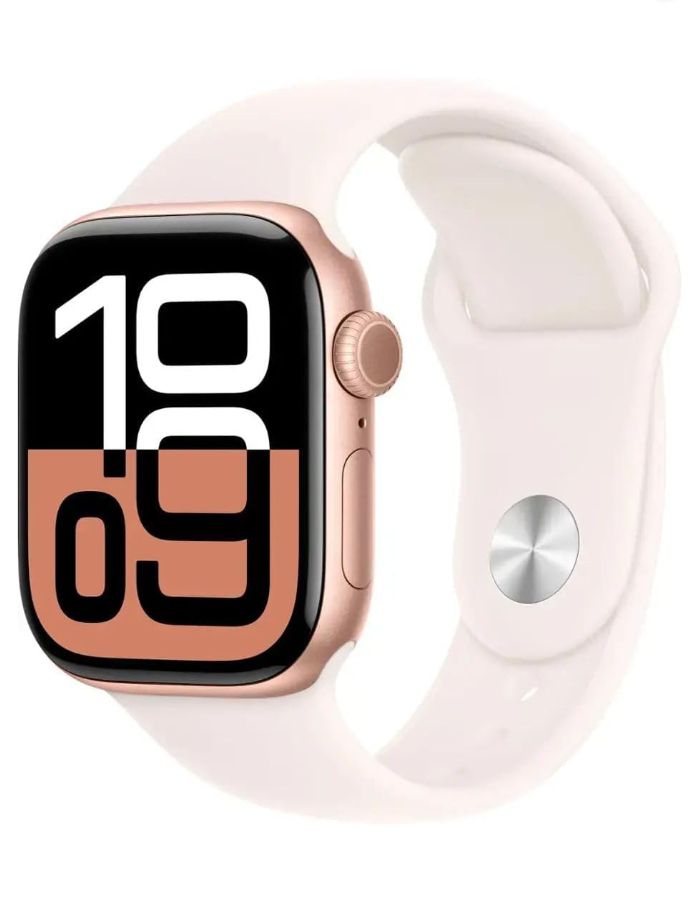
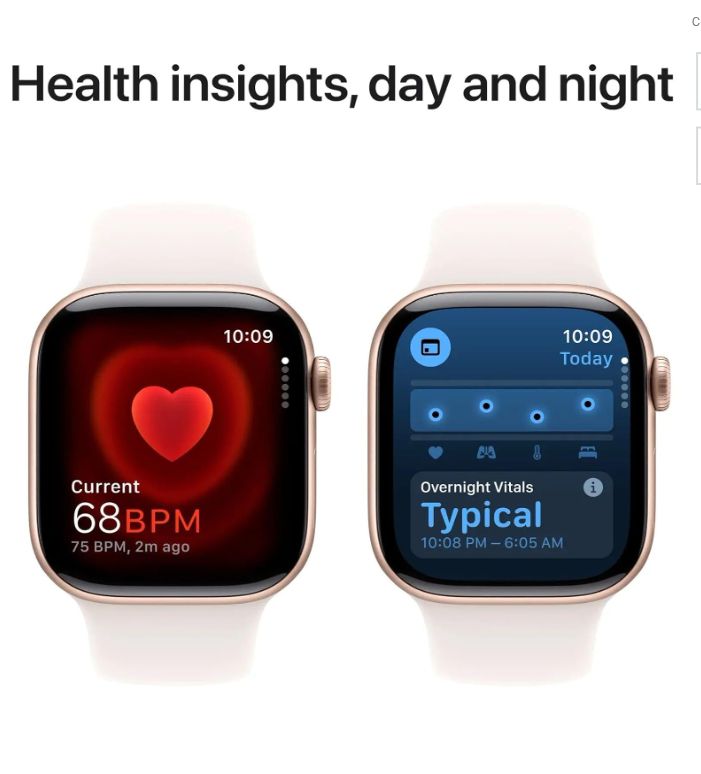
The Apple Watch series, particularly the Series 8 and SE, are highly praised for their robust set of functionalities and seamless integration within the Apple ecosystem. The Apple Watch offers ECG, a blood oxygen app, and an extensive range of exercise modes. Its user-friendly interface and cutting-edge design make it a favorite choice for many.
2. Fitbit Charge Series
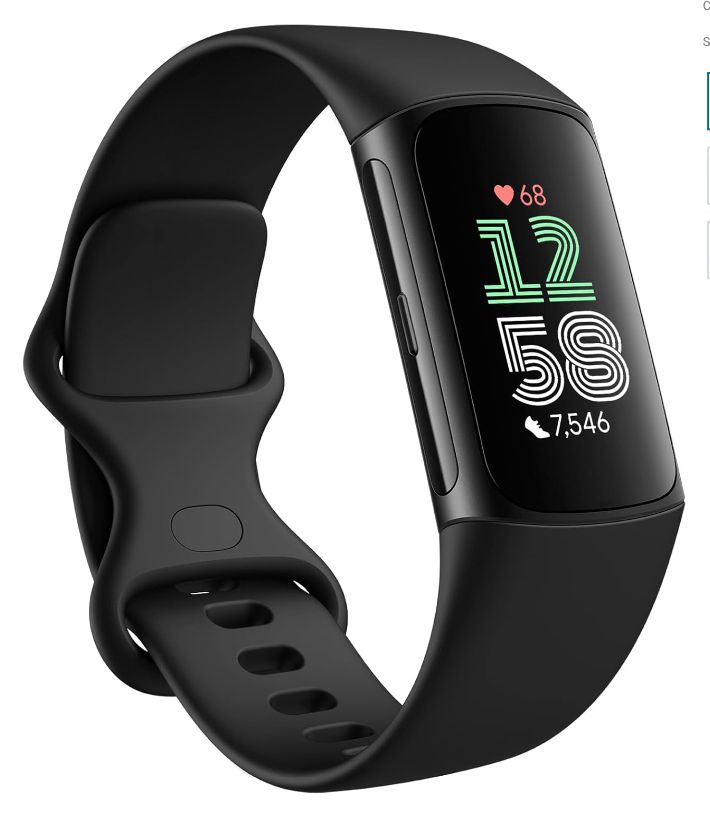
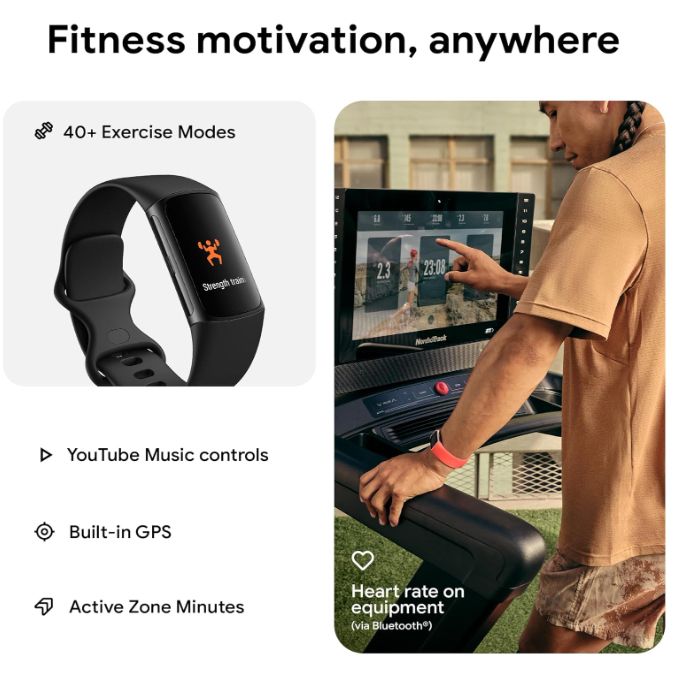 The Fitbit Charge 5 is an excellent choice for those primarily focused on fitness tracking. It boasts features like stress management tools and health metrics dashboards that cater to fitness-centric individuals. Its strong battery life and excellent app integration are notable features.
3. Garmin Forerunner Series
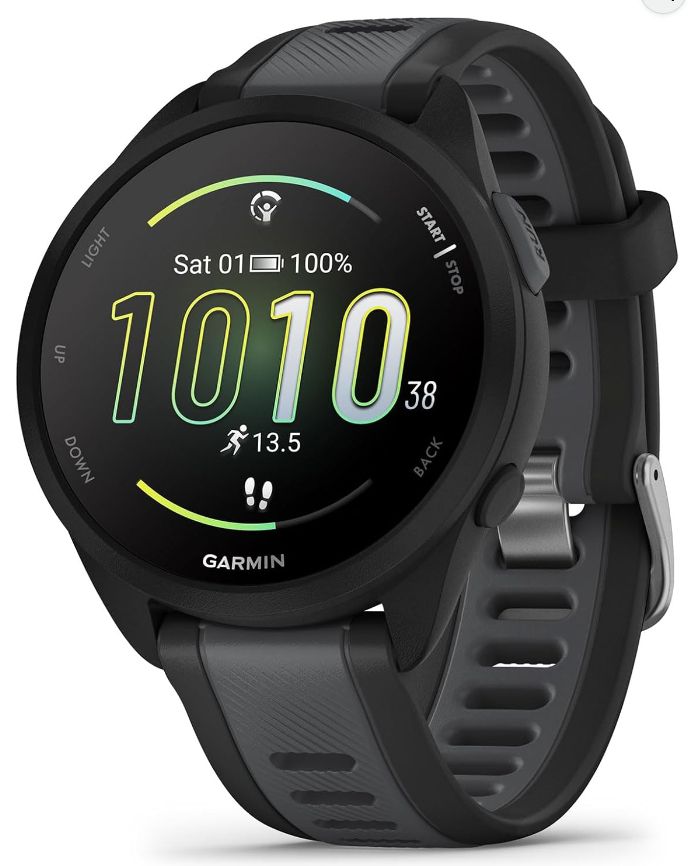
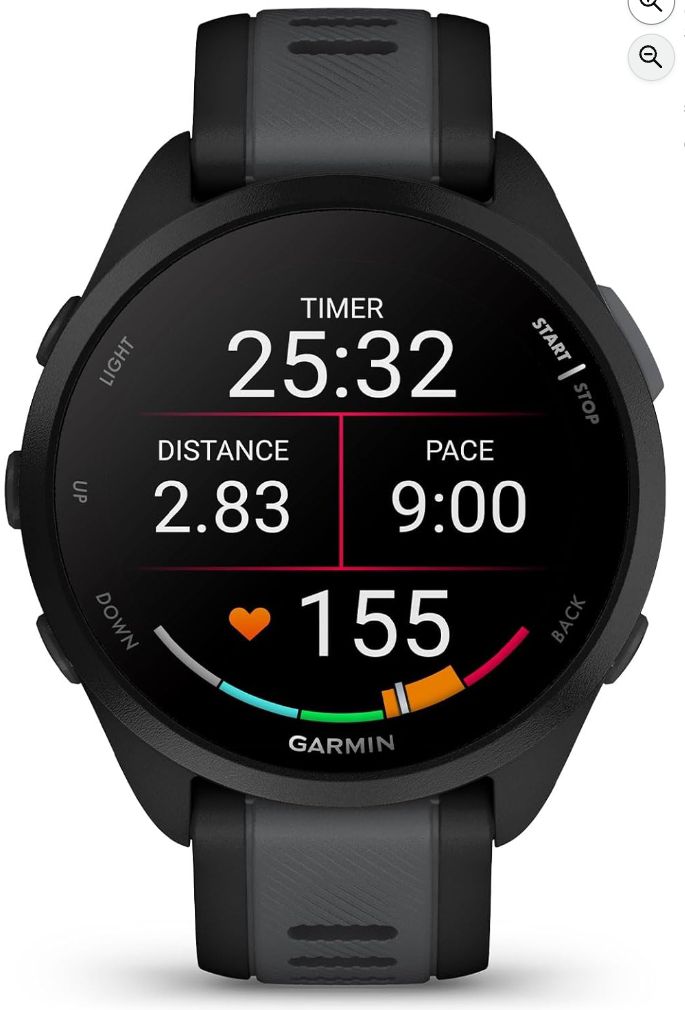
Known for its precise GPS tracking and extensive exercise support, the Garmin Forerunner series, like the Forerunner 245, targets avid runners and cyclists. The fitness-focused features, including VO2 max estimation and training status, make it ideal for athletes requiring deeper insight into their activity metrics.
Conclusion
Smart watches designed for fitness and health tracking offer significant potential to improve personal fitness, health awareness, and lifestyle management. As your digital health companion, whether you’re a tech enthusiast in the US or UK, or a fitness aficionado, investing in a suitable smart watch could serve as a gateway to achieving a host of wellness goals. Selecting the right device depends on one’s specific needs, price considerations, and desired features. With ongoing advancements in wearable technology, the future of smart watches looks promising, continuously evolving to address the needs of health-conscious communities worldwide.
In summary, while smart watches for fitness and health undeniably have some limitations, their benefits are substantial. By providing deeper health insights and facilitating active lifestyles, these devices offer more than just timekeeping—they are revolutionary tools for the modern age.